Entry · Ref VCTIT6BV
Same-Day Emergency Dentist Care: What Patients Can Expect
- Posted
- 2026-11-12
- Last amended
- 2026-11-12
- Account
- @waylonjzuv847
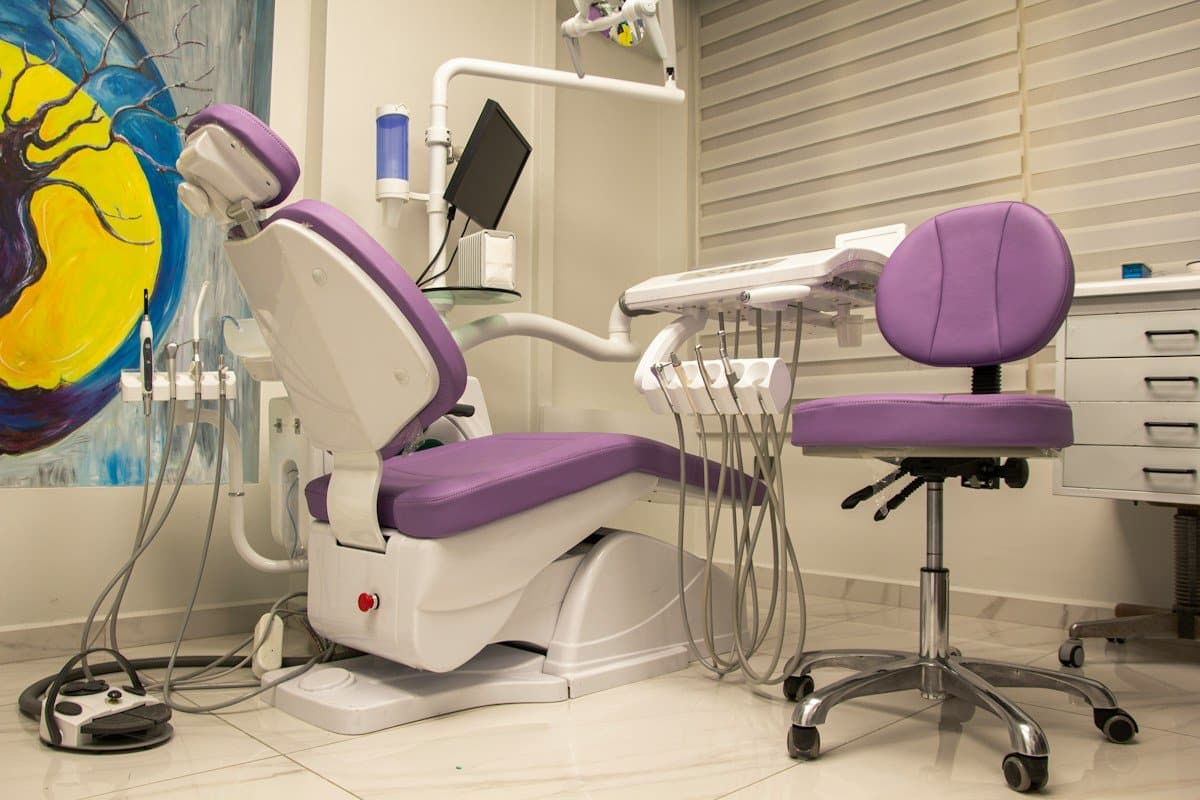

Dental emergencies rarely arrive at a convenient time. A cracked molar during lunch, a child who falls off a bike and chips a front tooth, a throbbing toothache that starts as a nuisance and becomes impossible to ignore by evening, these problems tend to feel urgent because they are. Pain can escalate quickly, swelling can spread, and a delay of even a day can turn a manageable issue into a more complicated one.
That is where same-day emergency dental care matters. An Emergency Dentist is not simply fitting people into an already full schedule. The role involves quick triage, practical decision-making, pain control, infection management, and a clear plan for what needs immediate treatment versus what can safely wait. Patients often arrive anxious, uncomfortable, and unsure whether they are overreacting. Most are not. If the mouth hurts, bleeds, swells, or stops functioning normally, it deserves prompt attention.
Understanding what usually happens during a same-day visit can take some of the fear out of the experience. Emergency dental care is often faster and more straightforward than people expect, though the exact path depends on the cause of the problem.
What counts as a dental emergency
Not every dental problem requires a same-day appointment, but many do. Severe pain is the most common reason people call, especially when it keeps them from eating, sleeping, or concentrating. Swelling in the gums, jaw, or face is another major warning sign because it can point to an infection that may worsen quickly. A broken tooth can also be urgent, particularly if the fracture is large, the nerve is exposed, or the tooth becomes sensitive to air and temperature.
Knocked-out teeth belong in the highest urgency category. Timing matters in a very real way here. When a permanent tooth is completely avulsed, the best chance of saving it often depends on getting it back into position as soon as possible, ideally within 30 to 60 minutes. Even if more time has passed, patients should still seek care right away. Dentists sometimes see salvageable cases that looked hopeless at first glance.
Lost fillings and crowns live in a gray area. They may not always require treatment within hours, but they can become urgent if the exposed tooth is painful or sharp, or if the missing restoration leaves the patient unable to chew. Bleeding that does not stop, especially after an extraction or trauma, should also be evaluated promptly.
One of the most common misunderstandings is the difference between urgent and dangerous. Dental emergencies are often urgent, but certain symptoms move beyond urgent and into medical territory. Significant facial swelling that affects breathing or swallowing, high fever with spreading infection, uncontrolled bleeding, or trauma involving the jaw, head, or loss of consciousness calls for emergency medical care, sometimes before dental treatment begins.
The first phone call sets the pace
A good emergency visit often starts with a smart conversation at the front desk. Experienced teams know how to ask the right questions quickly. They want to know what happened, when it happened, how severe the pain is, whether there is swelling or bleeding, and whether the patient has a fever, trouble opening the mouth, or a history of recent dental work.
This early triage matters. It helps the office decide whether the patient needs to come in immediately, whether there are steps to take at home first, and whether the case sounds more appropriate for an emergency room or oral surgeon. It also allows the clinical team to prepare. If a patient is coming in with a likely abscess, trauma, or a dislodged tooth, the dentist can often anticipate what instruments, imaging, and scheduling time may be needed.
Patients are sometimes surprised by how many details the office asks for over the phone. That is not bureaucracy. It is a way of making the visit safer and more efficient. If the office knows, for example, that the patient is on blood thinners, is diabetic, or has an allergy to common medications, treatment decisions can be adjusted before the person even arrives.
What happens when you arrive
Emergency appointments are usually structured around one priority: stabilize the problem. That does not always mean finishing every piece of treatment in a single visit. It means diagnosing the issue, controlling pain, addressing infection or damage that could worsen, and deciding what needs to happen next.
The first part of the visit is often brief but focused. A team member may review medical history, current medications, and the reason for the visit. If there is visible swelling or trauma, the dentist may want to examine the area right away before taking a full set of details. Dental X-rays are commonly part of the process because they reveal what the eye cannot see, such as decay under an old filling, infection at the root, fractures below the gumline, or bone changes around a tooth.
The pace in an emergency appointment tends to feel different from a routine checkup. There is usually less small talk and more direct problem-solving. Patients in pain often appreciate that. The dentist is not trying to impress anyone with complexity. The aim is to answer a few essential questions: What is causing this? Can it be treated today? If not fully, what can be done now to make the patient safe and comfortable?
Expect a diagnosis before a promise
One of the hardest parts for patients is uncertainty. They want immediate reassurance that the tooth can be saved, the pain can be stopped, or the smile can be restored before an event later that week. Sometimes that reassurance is possible. Sometimes it is not, at least not honestly.
A careful Emergency Dentist will usually resist making promises before the exam and imaging are complete. A small visible chip might conceal a deeper crack. A toothache that feels like a cavity may actually be an abscess. Pain in the upper back teeth can occasionally come from sinus pressure, while lower jaw pain may involve grinding, gum infection, or a failing filling that has leaked for months.
That diagnostic step is not a delay tactic. It is what separates good emergency care from rushed guesswork. In practice, the right treatment often becomes clear only after the dentist tests the tooth, checks the bite, reviews an X-ray, and compares the painful area with surrounding teeth. A patient may walk in expecting an extraction and leave with a plan for a root canal, or arrive assuming they only need antibiotics and learn that drainage or removal of the source is the real answer.
Common same-day treatments
Not every emergency can be completed start to finish in one visit, but many can be meaningfully treated the same day. The immediate treatment depends on the diagnosis, the severity of the symptoms, and whether specialist care is required.
Common same-day options include:
- Placing a temporary or permanent filling when decay or a lost restoration has exposed sensitive tooth structure.
- Recementing a crown, or providing a temporary solution if the original crown cannot be reused.
- Draining an abscess or opening a tooth to relieve pressure from infection.
- Extracting a tooth that is too damaged to save or is causing uncontrolled pain or swelling.
- Stabilizing a broken or knocked-out tooth, sometimes with a splint and a follow-up plan.
In many offices, same-day root canal therapy is also possible when the diagnosis is straightforward and enough time is available. That said, root canals during emergency visits depend on logistics as much as clinical need. A patient who arrives late in the day with a severely infected molar may receive pain relief, medication if indicated, and a next-step appointment rather than a complete procedure on the spot.
Temporary measures should not be mistaken for lesser care. They are often the safest and most realistic first step. A smooth temporary filling over a broken cusp can stop sharp pain immediately. A sedative dressing can calm an irritated nerve. A bite adjustment on a tooth that is taking too much force can make a dramatic difference by the time the local anesthesia wears off.
Pain control is usually better than patients expect
Fear of pain keeps many people from calling as early as they should. Ironically, the longer they wait, the more inflamed the tissues become, and the harder the situation can be to manage comfortably. Most emergency dental teams are well practiced in getting numb tissue where it needs to be numb, even in challenging cases.
Local anesthetic is the main tool, and dentists often adapt technique based on the location and severity of the pain. Infections can make anesthesia less predictable because acidic tissue changes how the medication works. When that happens, the dentist may combine techniques, wait a bit longer for onset, or start with treatment that reduces pressure and inflammation before attempting more definitive care.
Patients sometimes expect a prescription to be the main answer, but medication alone is rarely enough. Antibiotics do not fix a cracked tooth or remove infected pulp inside a tooth. Pain medicine may dull symptoms, but if the source remains trapped in place, relief is often incomplete. The strongest emergency visits are the ones that pair symptom control with actual intervention.
For many people, the most immediate relief comes not from a pill but from pressure being released. Anyone who has had an abscess drained or a severely inflamed pulp treated can describe the difference within minutes. It is not subtle.
Antibiotics have a role, but not for everything
This is an area where expectations often clash with reality. Patients in severe pain sometimes assume antibiotics are the standard response. Dentists know that antibiotics help only when there is a bacterial infection with signs that support their use, such as swelling, drainage, fever, spreading redness, or involvement beyond a localized tooth problem.
A deep cavity causing irreversible pulp inflammation may hurt intensely, yet antibiotics may offer little benefit if there is no spreading infection. The better treatment is usually a procedure, such as root canal therapy or extraction, to remove the source. Overprescribing antibiotics does not just fail to solve the problem, it adds side effects and contributes to resistance.
That can be frustrating for someone who hoped to avoid treatment that day. Still, it is better to hear the truth than to leave with medication that buys time without solving much. Skilled emergency dental care often means telling patients when antibiotics are useful, when they are optional, and when they are a distraction from what actually needs to happen.
Trauma cases move fast and require judgment
Dental trauma has its own rhythm. A child with a chipped incisor, an athlete with a loosened front tooth, or an adult who slips and strikes the mouth on a countertop presents a very different problem from a routine toothache. The questions become more specific. Is the tooth primary or permanent? Is it mobile, displaced, or fully knocked out? Is there lip or gum laceration? Is the bite off? Could the jaw be fractured?
With front-tooth injuries, appearance matters, but preservation matters more. A tooth fragment can sometimes be bonded back if the patient brings it in. A loosened tooth may need splinting. A tooth pushed out of position may be gently repositioned and stabilized. Timing, again, is critical.
One practical point is worth stressing. If a permanent tooth is knocked out, hold it by the crown, not the root. If it is dirty, rinse it gently with milk or saline if available, or clean water briefly if nothing else is on hand. Do not scrub it. In some cases, placing the tooth back in the socket is appropriate if the person is calm and alert, but many patients are understandably not comfortable doing that. Transporting the tooth in milk is often a reasonable fallback until dental care is available.
Costs, insurance, and why estimates can vary
Emergency dental visits create a different kind of financial stress because patients often do not know the diagnosis when they call, which means the final cost cannot be fully quoted in advance. There is usually a visit or emergency exam fee, often imaging fees, and then the cost of whatever treatment is needed. A simple palliative visit is very different from an extraction, root canal, or crown-related repair.
This uncertainty does not mean patients should accept vagueness. A reputable office will usually explain charges in stages. First comes the exam and any X-rays needed to diagnose the issue. After that, the dentist should be able to discuss treatment options and associated fees with more precision. Insurance may help with parts of the visit, but emergency benefits vary widely. Some plans cover the exam and basic procedures fairly well, while others leave major treatment largely out of pocket.
The practical reality is that emergency dentistry often involves choices. A patient may choose a temporary repair today and a definitive crown later. Someone with a badly broken tooth may weigh saving the tooth with endodontic treatment and restoration against extraction and future replacement. Good emergency care respects those trade-offs rather than pretending there is always a simple or inexpensive answer.
What patients can do before they are seen
The minutes or hours before an emergency appointment can shape the outcome. Calm, basic first https://felixyrwv153.image-perth.org/can-an-emergency-dentist-treat-a-broken-front-tooth-the-same-day aid helps more than improvised home remedies. Clove oil, aspirin held against the gum, and internet fixes involving glue or sharp tools usually create more problems than they solve.
If you are waiting to be seen, a few measures tend to help:
- Rinse gently with warm salt water if the area is sore or irritated.
- Use a cold compress on the face for swelling or trauma.
- Take over-the-counter pain relief as directed, if you normally can take it safely.
- Keep any broken tooth fragment, crown, or knocked-out tooth and bring it with you.
- Avoid chewing on the painful side and skip very hot, cold, or sugary foods.
One caution deserves repeating because it still comes up often in practice. Do not place aspirin directly on the gum or tooth. It does not numb the area effectively and can burn soft tissue.
If treatment cannot be finished that day
Some emergency visits end with a complete fix. Others end with a temporary measure and a clear next step. That is not a failure. It is often the right clinical decision.
A patient with significant swelling may need the acute infection managed before a complex restorative procedure is attempted. A fractured molar may need a temporary build-up and then a later crown. A difficult extraction might need referral to an oral surgeon if the roots are close to a nerve or the tooth is impacted. A child with trauma may need observation and follow-up vitality testing over weeks or months because the long-term health of the tooth is not immediately obvious.
What matters most is that the patient leaves with a plan they understand. That plan should answer a few practical questions. What was found? What was done today? What symptoms are expected tonight? What signs mean the patient should call back urgently? What is the next appointment for, and how soon should it happen?
In strong practices, these instructions are not rushed. Patients in pain retain less information, so written follow-up advice is especially useful.
The emotional side of emergency dental care
Pain changes how people behave. Even calm patients can become tearful, embarrassed, or abrupt when they have not slept and are afraid of losing a tooth. Many apologize for "waiting too long" or worry they will be judged for the condition of their mouth. In experienced dental settings, that judgment is largely absent. Emergency teams see neglected fillings, broken dentures, recurrent decay, sports injuries, failed old crowns, and stress-related clenching every day. Their focus is on getting the patient stable, not on assigning blame.
This matters more than many people realize. Anxiety can amplify pain, make injections harder, and turn straightforward treatment into an ordeal. A dentist who explains what is happening as they go, pauses when a patient needs a moment, and sets realistic expectations often improves the outcome simply by reducing fear.
One pattern appears often in emergency care: the issue that finally drives someone in is rarely the whole story. A patient may call because a tooth broke that morning, but the underlying cavity has been present for months. Another may think they have "sudden" jaw pain, though signs of grinding and cracked enamel show a slower process. Same-day care addresses the urgent problem first, but it also opens the door to broader repair later.
Choosing the right place for urgent dental help
Not every urgent care clinic or hospital emergency room is equipped to treat dental disease directly. They can be important when swelling affects breathing, facial trauma is severe, or medical complications are involved, but they often cannot provide fillings, root canals, crown repairs, or extractions for routine dental emergencies. In those cases, an Emergency Dentist is usually the more direct route to relief.
When patients are deciding where to go, it helps to ask whether the office handles same-day emergencies regularly, whether they offer on-site X-rays, and whether they can perform procedures that might be needed immediately. Some offices mainly diagnose and refer. Others are set up to solve a broad range of problems on the spot. Knowing the difference can save time when every hour feels long.
Same-day emergency dentistry is not glamorous care. It is practical, fast, and often deeply relieving. At its best, it turns panic into a plan. Patients walk in focused on the pain and leave understanding the cause, the treatment, and what comes next. That clarity is a form of relief in its own right, especially when the alternative is another sleepless night with a worsening tooth.
Smyle Dental Newhall
23754 Newhall Ave
Santa Clarita, CA 91321, United States
+16612559200
FAQ About Emergency Dentist
Will the ER do anything for dental pain?
An emergency department can assess serious complications and provide temporary care, but it usually cannot provide definitive dental treatment such as a filling or root canal. A dentist needs to identify and treat the cause. Call 911 or seek emergency medical care for difficulty breathing or swallowing, major facial injury, or uncontrolled bleeding.
What qualifies as a dental emergency?
A knocked-out permanent tooth, severe or persistent dental pain, swelling, and a broken tooth with pain need prompt professional assessment. Contact a dentist immediately for guidance on how urgently to be seen. Rapidly spreading swelling or swelling that affects breathing or swallowing requires emergency medical care.
What to do if I have a dental emergency in the middle of the night?
Call your dentist's office for after-hours instructions. Smyle Dental Newhall can be reached at (661) 255-9200; confirm when treatment is available. Do not wait for the office to open if you have trouble breathing or swallowing, uncontrolled bleeding, or a major facial injury. For a toothache while arranging dental care, gently rinse with warm water and avoid putting aspirin directly on the tooth or gums.